
Florida Solar Guide for FPL Homeowners, Net Metering, Savings and Battery Backup.
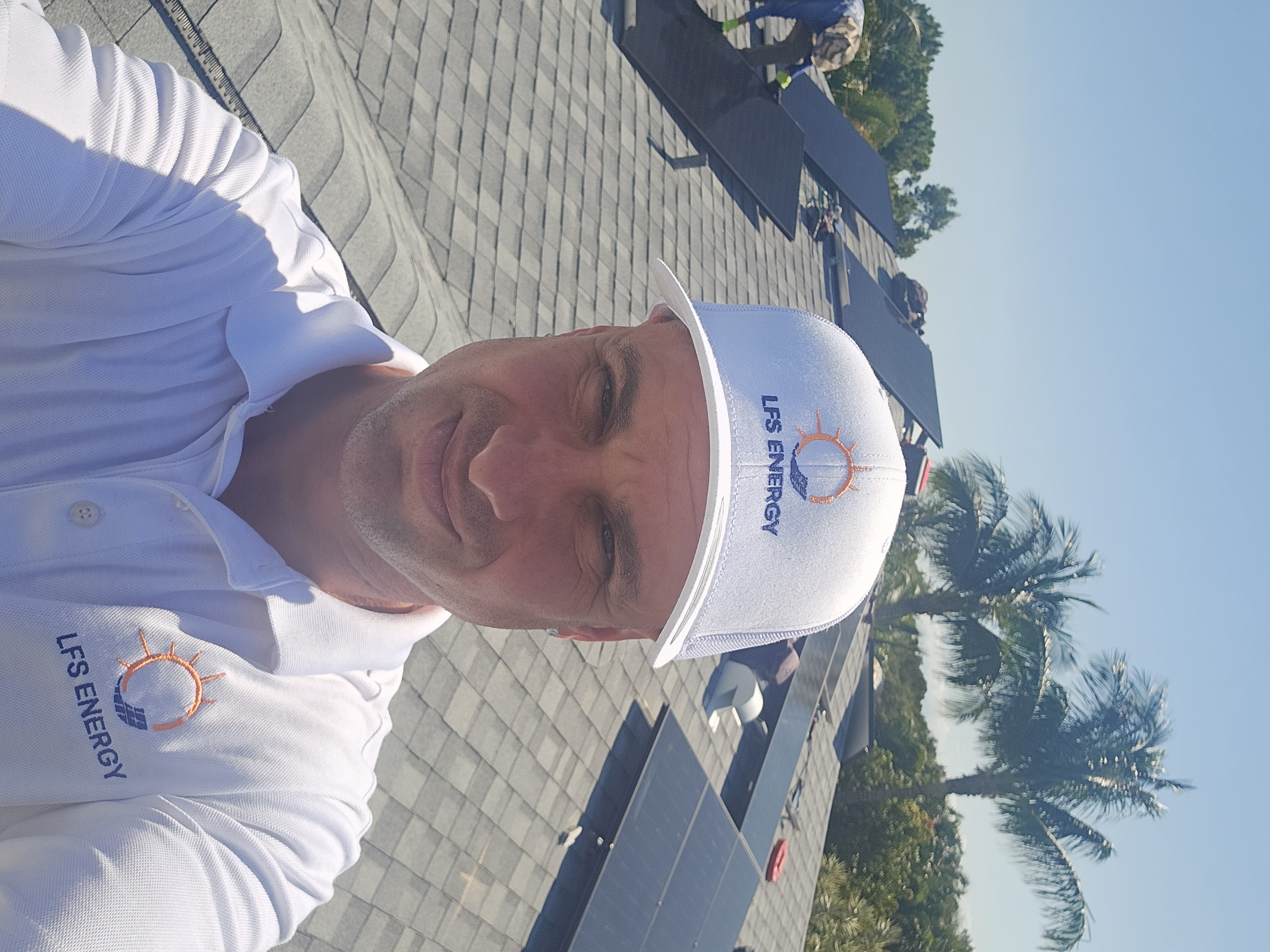
Florida has two things homeowners notice every year: strong sunshine and rising demand for electricity. Air conditioning, pool pumps, EV charging, home offices, and hurricane season preparation can all push an FPL bill higher than expected. Solar gives homeowners a way to produce power on-site, reduce long-term utility costs, and add more control over how the home uses energy.
For many households, the big question is not whether Florida has enough sun. It does. The better question is how to choose the right system, understand FPL Net Metering, compare financing, and pick an installer that will still be there after the panels are on the roof.

Why solar makes sense for many Florida homeowners
Solar energy can be a strong fit in Florida because electricity use is often highest when the sun is strongest. During hot afternoons, solar panels can help offset air conditioning demand, pool equipment, laundry, cooking, and daily household loads.
The main benefits include:
Lower utility bills
A properly sized system can reduce the amount of electricity purchased from FPL.
Protection against future rate increases
Solar does not eliminate every utility cost, but it can reduce exposure to changing electric rates over time.
Cleaner home energy
Solar panels produce electricity without burning fuel at the home.
Higher energy independence
Pairing solar with battery storage can keep selected circuits running during outages.
Potential home value appeal
Many buyers like the idea of lower power bills, especially in high-usage Florida markets.
Finding a Solar Installer for Your Home
When searching for a solar installer to design a system that meets your home's energy consumption demands, consider the following steps:
Search Terms to Use
Florida solar
Residential solar Florida
Solar panels near me
Best solar company near me
Key Considerations
System Fit: Ensure the solution is tailored to your home and energy needs.
FPL Account: The system should align with your Florida Power & Light (FPL) account requirements.
Long-Term Budget: Evaluate options that fit your financial plan over time.
Local Experience: Choose an installer familiar with local regulations and conditions.
Local Expertise Matters
For specific areas like Port Saint Lucie, Stuart, and the Treasure Coast, local installers will have knowledge of:
Roof types appropriate for solar installations
Wind requirements specific to the region
Permitting processes and local offices
Utility paperwork and regulations
Conclusion
Finding a qualified solar installer with local experience is crucial to successfully implementing a solar energy system that meets your home's specific needs and complies with local regulations. Take the time to research and connect with local professionals who can guide you through the process.
How to evaluate solar options with FPL
Going solar with FPL is easier when the process starts with the electric bill, not with a panel count. The right system should match the home’s actual usage and the homeowner’s goals.
Step 1. Review the last 12 months of FPL usage
Look at monthly kilowatt-hour use, not just the dollar amount. Florida bills can swing during summer heat, holiday travel, pool season, and storm recovery periods.
A solar consultant should ask for a full usage history. If they only estimate based on roof size, the proposal may miss the mark.
Step 2. Identify future changes in electricity use
A home that uses 1,200 kWh per month today may use more next year if the owner adds:
An electric vehicle
A pool heater
A home addition
A second refrigerator or freezer
A new HVAC system
A Tesla Powerwall3 battery backup system
Solar design should account for realistic future usage, but it should not be inflated beyond what FPL rules, roof space, or budget support.
Step 3. Check the roof and sun exposure
A good solar proposal includes a roof review. The installer should check:
Roof age and remaining life
Shading from trees, chimneys, vents, and nearby buildings
Roof direction and pitch
Available usable roof planes
Condition of the electrical panel
Local wind and building code requirements
In Florida, this step is especially important because roof attachments must be designed for weather, wind, and code compliance.
Step 4. Compare system size, equipment, and production estimates
A proposal should show estimated annual production in kilowatt-hours. It should also explain the panel brand, inverter type, racking system, workmanship warranty, product warranties, and monitoring app.
Do not compare quotes by price alone. A lower quote may use different equipment, omit electrical upgrades, or assume unrealistic production.
Step 5. Confirm the FPL interconnection plan
Before solar can operate with the grid, the system must go through FPL’s interconnection process. The installer usually handles the application, but the homeowner should understand the basic timeline and requirements.
How FPL Net Metering works
FPL Net Metering allows eligible solar customers to send extra solar electricity to the grid when the system produces more power than the home is using. FPL uses a bidirectional meter to measure power flowing both ways.
Here is the simple version:
Solar panels produce electricity during the day.
The home uses that solar power first.
Extra electricity flows to the FPL grid.
FPL tracks exported energy as credits.
At night or during low-sun periods, the home pulls electricity from the grid.
Credits help offset grid electricity used during the billing cycle.
Net metering is one reason solar can make financial sense without a battery, because the grid can act like a billing credit system for extra daytime production.
There are still charges that solar may not erase. Most FPL customers should expect to keep a utility account and pay applicable minimum charges, taxes, fees, or non-energy charges. Any unused credits and annual settlement rules can depend on the current tariff, so review the latest FPL net metering terms before signing.

Financing, incentives, and the No Cost Utility Swap program
Solar can be purchased several ways. The best option depends on cash flow, tax situation, credit profile, and how long the owner plans to stay in the home.
Cash purchase
Paying cash usually gives the lowest total cost because there are no dealer fees or interest charges. It may also produce the shortest payback period for homeowners who can use available incentives.
Solar loan
A solar loan spreads payments over time. The monthly loan payment may be lower than, similar to, or higher than the current electric bill depending on system size, loan terms, interest rate, and FPL usage.
No Cost Utility Swap program
The No Cost Utility Swap program is often described as a way to go solar with no upfront payment for qualified homeowners. The idea is simple: instead of sending all of the monthly energy budget to the utility, part of that budget shifts toward owning or financing a solar system.
This does not mean solar is literally free. It means the homeowner may be able to install solar with no money down and use electric bill savings to help offset the solar payment. A responsible solar company should explain:
The total system cost
Monthly payment terms
Expected FPL bill after solar
Any dealer fees or financing costs
What happens if energy use changes
Warranty and service coverage
Florida incentives and tax benefits
Florida homeowners may have access to several solar-friendly policies. Availability and rules can change, so confirm current details with a tax professional, installer, and local authority before relying on them.
Common incentives may include:
Incentive or policy | What it may do |
Federal residential clean energy tax credit | May reduce federal tax liability for eligible solar and battery systems if the program is available and the homeowner qualifies |
Florida solar sales tax exemption | May remove state sales tax from qualifying solar energy systems |
Florida property tax exclusion | May help prevent eligible solar improvements from increasing assessed property value for tax purposes |
FPL Net Metering | May provide bill credits for excess solar electricity sent to the grid |
Local programs | Some municipalities or lenders may offer limited programs, subject to funding and eligibility |
This information is educational, not tax or financial advice. Always verify current rules before making a purchase decision.
How to know if a home is a good fit for solar
Not every home is ready for solar on day one. A strong installer will tell the truth if the home needs roof work, tree trimming, electrical upgrades, or a different system design.
A home is often a good solar candidate when it has:
A roof with several years of useful life remaining
Limited shade during peak sun hours
Enough usable roof space
A steady history of electric usage
An electrical panel that can support the system
A homeowner planning to stay long enough to benefit
Clear goals for savings, backup power, or both
Solar may need extra planning if the roof is near replacement age, the home has heavy tree cover, or the main electrical panel is outdated. These issues do not always stop a project, but they can affect cost and timeline.
Why battery backup changes the conversation
Solar panels alone usually shut down during a grid outage for safety unless the system includes approved backup equipment. A battery can store solar energy and power selected circuits when the grid goes down.
Homeowners looking for Tesla powerwall3 installers or Tesla powerwall3 battery backup should ask how the battery will be configured. Whole-home backup may require more storage and electrical work. Essential-load backup can be more affordable and may run items like refrigeration, lighting, Wi-Fi, fans, outlets, and selected appliances.
Battery storage also supports hurricane protection planning, but it should not be confused with physical storm protection. Solar panels and batteries do not replace shutters, roof maintenance, insurance planning, or a generator plan where needed. They can be one part of a broader hurricane readiness strategy.

The step-by-step solar installation process
A quality project follows a clear path from consultation to activation. Timelines vary by permitting office, utility workload, equipment availability, and whether upgrades are needed.
1. No-cost consultation and bill review
The process begins with the FPL bill, energy usage, home goals, and roof details. This is where the installer should explain whether solar, battery storage, or both make sense.
2. Site survey
A technician checks roof measurements, attic access if needed, electrical panel condition, meter location, and possible equipment placement.
3. System design
The design team creates a layout showing panel placement, inverter equipment, conduit routes, and expected production. For battery projects, the design also includes backup panel or gateway details.
4. Contract and financing approval
The homeowner reviews the final scope, equipment, warranties, total cost, financing terms, and estimated savings.
5. Engineering and permitting
Plans are submitted to the local building department. Florida projects must meet code requirements, including wind and electrical standards.
6. Installation
Most residential installations take a short amount of time once permits are approved. Crews install racking, panels, wiring, inverter equipment, and battery equipment if included.
7. Inspection
The local building department inspects the work. Corrections, if needed, must be completed before the project moves forward.
8. FPL interconnection and permission to operate
After inspection approval, the installer submits final documents to FPL. Once FPL grants permission to operate, the system can be turned on legally.
Questions to ask before choosing a solar company
The installer matters as much as the equipment. Many homeowners start with searches for Florida solar installers, LFS ENERGY solar, or local providers near the Treasure Coast. The right questions help separate a serious contractor from a sales-only operation.
Ask these before signing:
How many FPL interconnection projects have you completed?
Are you licensed and insured in Florida?
Who performs the installation, employees or subcontractors?
What roof attachments and flashing methods do you use?
What warranties cover panels, inverters, batteries, roof penetrations, and workmanship?
What production estimate software do you use?
What happens if the system produces less than projected?
Do you install and service Tesla Powerwall3 systems?
How do you handle service calls after installation?
Can you explain the full financing cost in writing?
Will you review my FPL bill and not just my roof size?
A trustworthy company will answer without pressure. It should also put promises in writing.
Common misconceptions about solar energy
Solar is popular, but a few myths still cause confusion.
Solar panels do not work during cloudy weather
They do work, but production drops when clouds reduce sunlight. Florida’s overall sunshine can still support strong annual production.
Solar means no FPL bill ever
Most grid-tied homes keep an FPL account. Net Metering can reduce the bill, but fixed charges and non-energy costs may remain.
Battery backup is included with every solar system
Standard solar and solar with battery backup are different system designs. Ask for battery storage if outage support is a priority.
Solar will damage the roof
A poor installation can cause problems. A professional installation uses proper attachments, flashing, engineering, and waterproofing methods.
All solar quotes are the same
Equipment, warranties, financing terms, workmanship, roof methods, and service quality can vary widely.
Tips for selecting the right system and installer
The best solar system is not always the biggest one. It is the one that fits energy use, roof space, FPL rules, backup goals, and budget.
Use these tips as a final checklist:
Size the system from 12 months of usage.
Ask for conservative production estimates.
Confirm roof life before installing panels.
Compare cash price and financed price.
Understand FPL Net Metering before approval.
Choose equipment with strong warranties.
Ask how hurricane wind requirements are handled.
Decide early whether battery backup is needed.
Pick an installer with local Florida experience.
Keep copies of permits, designs, warranties, and interconnection documents.
For homeowners in Port Saint Lucie, Stuart, and the Treasure Coast, local knowledge can be a real advantage. Permitting, roof styles, coastal weather, and FPL paperwork are all part of the project.

The smart next step for FPL homeowners
Going solar with FPL can reduce electric bills, support long-term savings, and add backup power options when paired with a Tesla Powerwall3 battery. The key is to start with real usage data, understand Net Metering, compare financing honestly, and choose an installer who knows Florida homes.
If you are ready to see whether your home is a good fit, schedule a no-cost solar review here: Schedule Consultation.
A good consultation should leave you with clear answers, not pressure. Ask for the numbers, review the design, and choose the system that makes sense for your home, your FPL bill, and your plans for the years ahead.


Comments